
Hey folks,
Let's talk about the evolving world of tube amplifiers.
It has now been almost 10 years since I sold my final "big" gigging rig. It was a Traynor YCV40—a 40-watt tube amp. Previously, I'd owned a few other heavy hitters pushing 40 watts or more from brands like Marshall and Fender. What did I learn from decades of hauling those beasts around? They were almost never right for the actual rooms I was playing.
When you want to get a high-power tube power section cooking to hit its sonic sweet spot, it ends up being way too loud on stage for modern sound engineers. Then, of course, there is the literal physical pain of lugging heavy gear to and from venues. Big amps are heavy, plain and simple.
The Shift to Low Wattage Tube Amps
Over time, I found myself leaning on my modest Fender Pro Junior more and more at live shows. By leaning on the house PA system to carry the heavy lifting, that little amp could shine. While a stock Pro Junior has its limitations—as you can see in my demo video—it was often the perfect tool for the job. Stick a quality microphone right in front of the grille cloth and a tiny combo can easily sound absolutely massive through the mains.
A regular complaint I hear in guitar communities is, "But Simon, I can't hear a 15-watt amp over a loud drummer!" I don't know how punishingly loud these folks are hitting their kits, but it must be deafening. This common anxiety is exactly why you should check out this article on the biggest tube amp myths debunked. In it we'll talk about exploring how volume, perceived headroom, and real-world stage wattage actually function.
My Real-World Gigging Roster
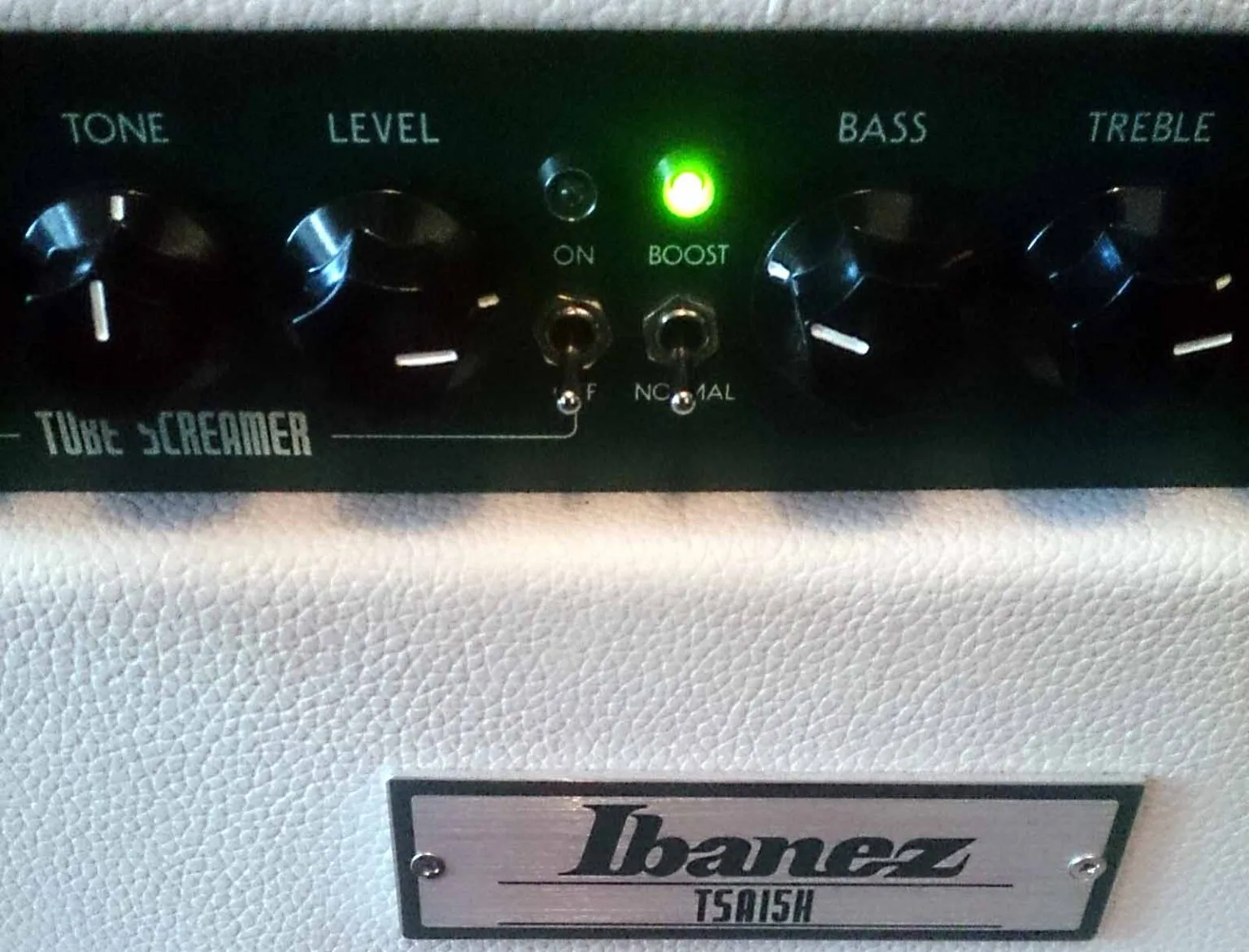
In reality, I have happily used a variety of smaller, highly portable tube amplifiers over the last few years. My regular rotation includes the Fender Pro Junior, the ubiquitous Fender Blues Junior, and the surprisingly versatile Ibanez TSA15H tube amplifier head. The biggest amp I currently scale up to is a Fender Deluxe Reverb.
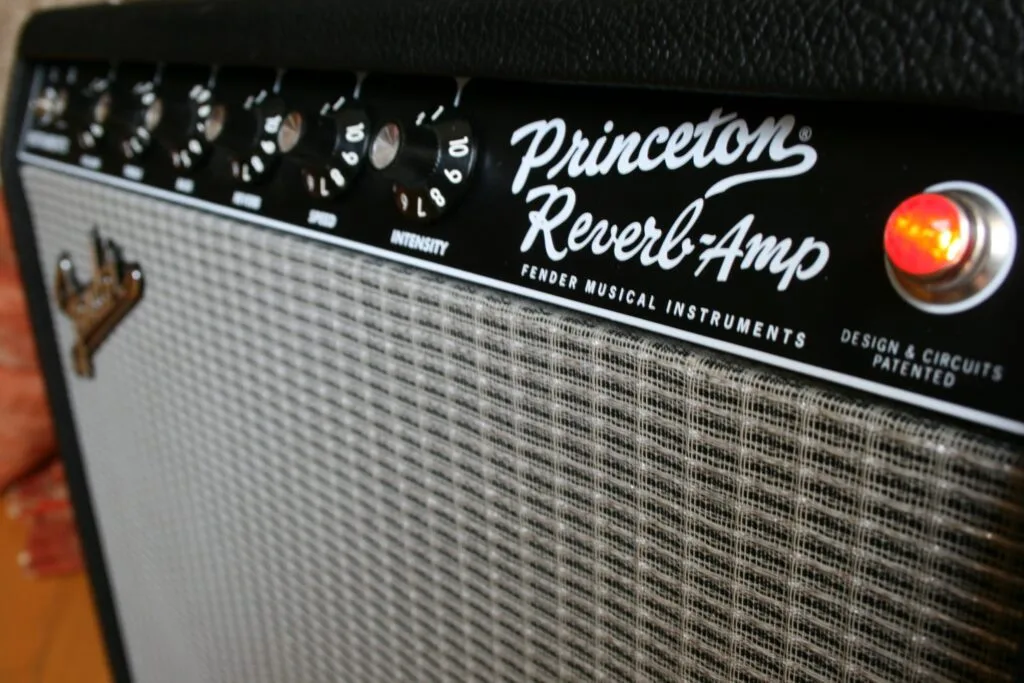
Even though the Deluxe Reverb remains an absolute favorite of mine, at 22 watts it can still easily cross the line into being too loud on stage for small to medium rooms. Because of this, my next gear acquisition is highly likely to be a classic Fender Princeton. It offers gorgeous built-in tremolo, lush spring reverb, and sits right at that magical 15-watt sweet spot.
Why the 100-Watt Monster is Dead
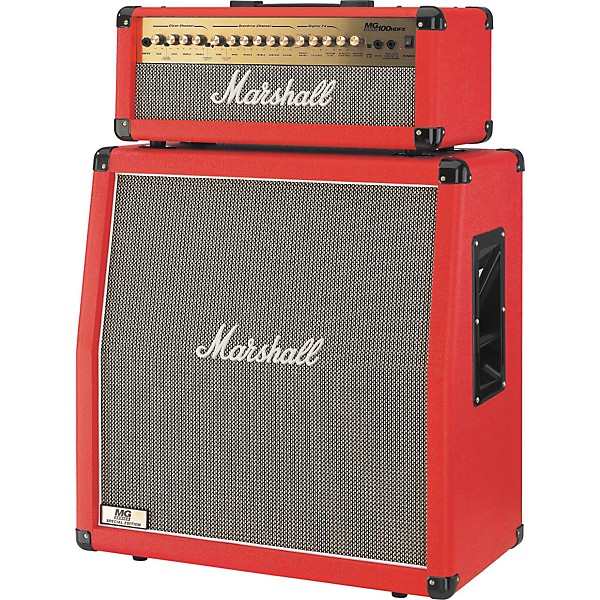
Look, I completely understand why high-wattage amplifiers still exist: clean headroom. If you are playing massive festival outdoor stages and need your tone to stay perfectly pristine at astronomical volume thresholds, then a high-powered head is the correct choice for your rig. However, I don't know many local, small, or medium-sized venues where that kind of output is remotely appropriate anymore.
If you take a quick look at used gear marketplaces online, you will notice a massive flood of heavy 50W and 100W heads and 4x12 cabinets selling for incredibly low, reasonable prices. That marketplace data tells you everything you need to know—the massive 100-watt rock stack is essentially dead for 99% of working guitar players.
Do yourself, your lower back, and your front-of-house sound technician a massive favor: join the small amp revolution! They are lighter to transport, easier to drive into natural power-tube saturation, and every bit as sonically satisfying.
For some further reading on excellent compact setups, there is a fantastic legacy article over on Reverb.com showcasing six different small amplifiers that sound great on any stage.
Cheers,
Simon
Source: Video: 6 Small Amps That Sound Great | Reverb News