
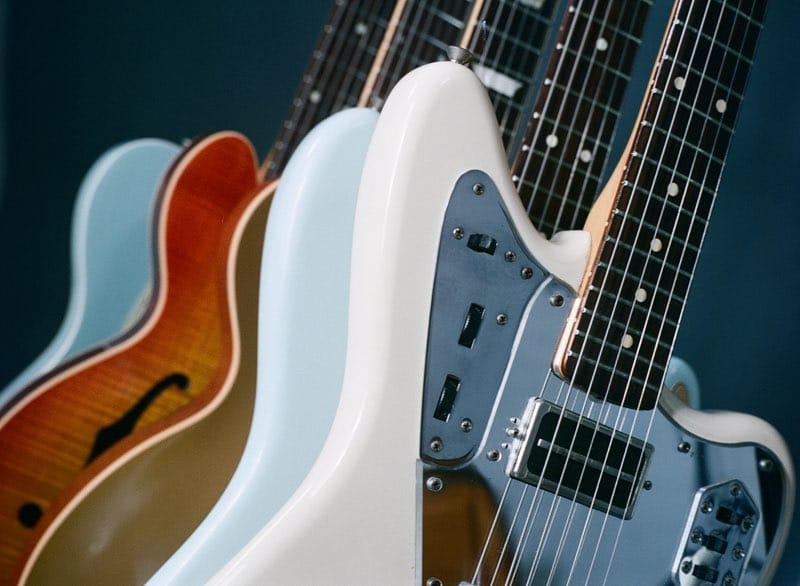
I often get asked by my students for advice on how to buy an electric guitar. Which one is the absolute best? How much should it cost? Are there any specific brands to look out for?
I was actually planning to sit down and write a massive, definitive guide on the topic. But out of curiosity, I decided to Google the phrase "How do I buy an electric guitar?" first. About one million links instantly appeared, almost all of them packed with perfectly good information. So, instead of rehashing a pretty well-worn internet topic, I decided to go make a cup of tea instead.
The Ghost of Guitar Sales Past
As I let my tea cool, I started thinking about my very first electric guitar, how I don't have it anymore, and a familiar, bittersweet feeling common to almost every long-time player hit me: Guitar Sale Regret.
About a quarter of the way through my mug, I began reminiscing about how I originally chose my first electric. My pre-buying experience back then was a lot like that iconic scene from Wayne's World. Though, unlike Wayne, the staff at my local music shop wouldn’t actually let me touch or play the instruments. The shop owner and I both knew there were a lot of grueling, four-hour Saturday shifts at the local department store standing between me and real six-string freedom.
Back then, just like Wayne, every aspiring guitarist craved an American-made instrument. It was an unspoken rule that the build quality of US-made instruments was vastly superior to anything built anywhere else. Of course, that made them incredibly expensive and highly desirable. When you factor in the incredibly slim chance that the single, tiny guitar shop in my small UK hometown would actually have a US-made Fender in stock, my teenage quest felt completely hopeless.
The New Golden Era of Manufacturing
Fortunately for modern guitar players, the landscape today is entirely different. The traditional cachet of the "USA-made" stamp has shifted dramatically. Modern players have come to realize they can get exceptional, gig-ready instruments for a mere fraction of the price.
The global standard of guitar manufacturing has skyrocketed. International competition has forced brands to step up their game, meaning that the "bang for your buck" factor today is louder, cleaner, and clearer than ever before. Today's budget instruments come straight out of the box with beautifully leveled frets, perfectly straight necks, pristine finishes, and highly reliable hardware.
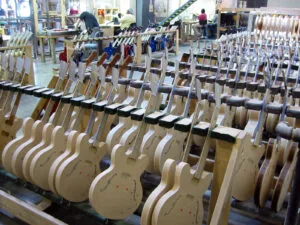
How did this happen? Heritage brands like Fender and Gibson began outsourcing production to overseas facilities to offer different price tiers. The great news is that the instruments coming out of countries like Japan, Mexico, South Korea, and China are genuinely fantastic. These contract factories operate under strict quality control guidelines from the parent companies.
When I look at the immense variety, quality, and affordability of entry-level guitars available now—multiplied by the open-all-hours showroom of the internet—there has literally never been a better time to buy an electric guitar. I certainly don’t stress about the stamp on the back of the headstock anymore; my own studio wall features guitars and amplifiers from America, Japan, Mexico, South Korea, and China alike.
Chase the Tone, Not the Label
By the time I was halfway through my tea, I remembered exactly why I had wanted a Stratocaster so desperately as a kid. It came down to two names: Jimi Hendrix and Eric Clapton. They were my heroes, and honestly, I recommend that exact same buying approach to anyone starting out today.
It sounds obvious, but different electric guitars produce entirely different sonic signatures. If you love the crisp, bell-like sparkle on "Apache" by The Shadows, you need a Stratocaster. If you want the thick, gritty, sustaining mid-range punch of Led Zeppelin's "Heartbreaker," you need a dual-humbucker guitar like a Les Paul. If you want to chime out that glorious, mysterious opening chord from The Beatles' "A Hard Day's Night," you're looking for a Rickenbacker.
If you love a specific band or artist's tonal footprint, don't overthink it—just copy their rig! When they originally chose their gear, they were probably just trying to emulate their own heroes, too.
The One That Got Away
Ultimately, the very first electric I ever owned was an alpine white Fender Stratocaster, just like the one pictured below.
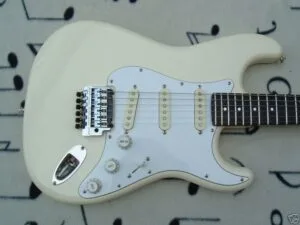
It was white (just like Jimi's Woodstock Strat) and it was a real Fender. Aside from the iconic contours, the biting bridge pickup sound, and the sheer joy of cranking it through a loud amp, the absolute best part was seeing that script logo on the headstock. It was instant, unfiltered cool. I really, truly never should have sold it.
By the time I swallowed the last sip of my tea? Well, I had mapped out this article and a few others. Keep an eye out for upcoming blogs where we will dive into guitar family trees, parsing out exactly what gear was used on your favorite classic tracks, and more cautionary tales of gear-sale regret.
Ready to Shop? Helpful Gear Resources
If you want to read up on the raw technical specs before heading to your local shop, here are some excellent, highly detailed buying guides around the web:
- The Ultimate Sweetwater Electric Guitar Buying Guide
- Best electric guitars 2026: our top picks for every playing style, ability and budget
If you need an unbiased opinion on a guitar you are looking to purchase, or want to learn how to make your current instrument sound its absolute best, let’s chat! Explore my private one-on-one guitar lessons here.
Cheers,
Simon