
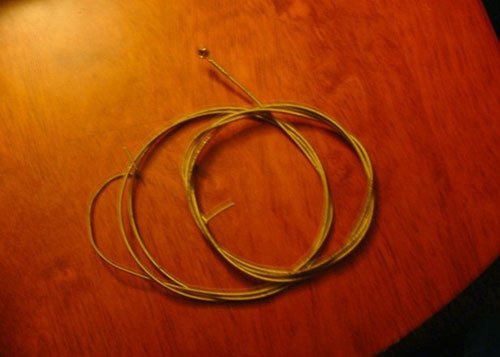
Knowing how to change guitar strings is one of the most useful skills a new player can pick up. It saves you money and keeps your guitar sounding bright. Once you've done it a couple of times, the whole job takes about 15 minutes.
Old strings sound dull and drift out of tune. Fresh ones make the same guitar feel like a brand new instrument. This guide takes you through the job one step at a time.
What you need before you start
Gather a few bits and pieces first. They're cheap, and most of them will last for years.
- A fresh set of strings in the right gauge for your guitar
- A string winder, which speeds up the tuning pegs heaps
- Side cutters or wire snips
- A clip-on tuner or a tuner app
- A soft cloth
Not sure which gauge to buy? My post on whether string gauge really changes your sound will help you choose.
How often should you change guitar strings?
If you practise most days, change your strings every one to three months. Gigging players often change them more often, sometimes before an important show.
Your guitar will tell you when it's time. Watch for these signs:
- The tone sounds dull or muffled
- The guitar keeps going out of tune
- The strings feel gritty or look discoloured
- Chords sound slightly off higher up the neck
- You break a string!
Sweaty hands wear strings out faster. A quick wipe with a dry cloth after each session helps them last longer.
How to change guitar strings on an electric guitar
These steps suit most electric guitars. If you want to clean the fretboard, take all six strings off first. Otherwise, change them one at a time. That keeps the tension on the neck steady.
- Loosen the old string. Turn the tuning peg until the string goes slack. Then unwind it from the post.
- Remove it from the bridge. Pull it out through the bridge or the back of the body, depending on your guitar.
- Thread the new string. Feed it through the bridge until the ball end sits snug.
- Pull it up to the tuning post. Run the string along the neck and through the hole in the post.
- Leave a little slack. Pull the string tight, then let it back off by about 2 to 3 cm. This gives you enough wraps to hold the tuning.
- Wind it on. Bend the string sharply at the post. Then turn the peg so the string wraps neatly down the post. Press the string gently with your other hand to keep it steady.
- Count your wraps. Aim for about two or three wraps on the thicker strings. The thinner ones need a few more because they're slippery.
- Tune up, then trim. Bring the string up to pitch and stretch it (see below). Then snip the extra string, leaving about a centimetre. Cut ends are sharp, so take care.
Do you have a Strat-style guitar with a floating tremolo? Change one string at a time. This keeps the bridge sitting at the right angle. Locking tremolos such as a Floyd Rose need a different method, so check a guide for your model. If you own a Strat, you might also enjoy 5 things you didn't know about your Fender Stratocaster.
How to change guitar strings on an acoustic guitar
Steel-string acoustics follow the same basic idea, but the bridge works differently. A small bridge pin holds each string in place.
- Loosen the old string and unwind it from the tuning post.
- Lift out the bridge pin. The notch on most string winders does this job nicely.
- Drop the new string in, ball end first. Then slide the pin back in with its groove facing the neck.
- Pull the string gently upwards until the ball end seats against the pin. Hold the pin down as you do this.
- Wind the string onto the tuning post, using the same method as on an electric guitar.
These steps are for steel strings. Nylon-string classical guitars tie onto the bridge, so they need a different technique.
Do new guitar strings need stretching?
Yes, they do. New strings stretch quite a bit in the first hour or two, so they keep drifting flat. A proper stretch saves you from retuning every few minutes.
- Tune the string to pitch.
- Hold the string near the middle and lift it gently away from the fretboard.
- Work along the string, lifting in a few spots.
- Retune, then repeat until the pitch stays steady.
Be gentle. You're coaxing the string, not wrestling it. The thin strings can snap if you pull too hard.
Common mistakes to avoid
- Using too few wraps, which lets the string slip
- Using too many wraps, which makes tuning fiddly
- Letting the wraps cross over each other on the post
- Skipping the stretch
- Leaving long, sharp tails sticking out of the tuning posts
Does your neck feels tacky, here's how to fix a sticky guitar neck.
Quick answers about changing strings
Do I need to take all the strings off at once?
No. Changing them one at a time works well and keeps the neck tension steady. Take them all off only if you want to clean the fretboard. Having said that, cleaning the fretboard is something I personally do every re-string.
Can I replace just one broken string?
You can, but a new string sounds brighter than the old ones beside it. If the rest are old, change the whole set.
Once you've done it a few times, restringing becomes a quick, easy job. Happy guitaring!
Want to see how I do it? Check out these videos
If you prefer watching the process step by step, I have put together a few short video tutorials to help you master string changes and maintenance at home:
- 5 Tips To Make Your Next Guitar Restring A BREEZE! – Learn quick, practical hacks that make swapping out your old strings simple and stress-free.
- 4 Easy Ways to Know When It's Time to Restring Your Guitar – Find out how to spot dead strings before they ruin your tone or feel sticky under your fingers.
- The Right Way to Restring Your Guitar (You’ll Never Go Back) – Watch the proper technique to wrap and lock your strings so your guitar stays rock-solid in tune.
Want more practical guitar tips?
Call or email to book your first lesson. Let me know your preferred days and times and I'll get back to you quickly.
$125 / hr incl. GST · In-person Petersham or online · Adults 18+